Common Small Animal Problems in Commercial and Industrial Properties
Local service providers can help resolve common small animal problems in commercial and industrial properties by safely removing pests like rodents, raccoons, and squirrels.
Property owners in commercial and industrial settings often encounter common small animal problems that can impact the safety, sanitation, and overall integrity of their facilities. Rodents, birds, and other small creatures may find ways into buildings, creating nuisances and potential health risks. Addressing these issues promptly is essential to prevent property damage, contamination, or even disruptions to daily operations. Exploring solutions for small animal removal and prevention can help maintain a secure environment, especially for those who want to minimize downtime and avoid costly repairs.
Local contractors specializing in small animal removal are equipped to handle these common problems efficiently and effectively. They understand the unique challenges that commercial and industrial properties face when dealing with unwanted wildlife. By connecting with experienced service providers, property owners can explore practical strategies to identify entry points, implement humane removal methods, and establish ongoing prevention measures. Keeping these issues in check is vital for maintaining a safe, compliant, and well-maintained property, making it worthwhile to learn more about available local services.
- Small animal removal services are often needed when rodents or other pests are found nesting in building attics, walls, or crawl spaces, and local contractors use humane trapping and exclusion techniques. - Commercial and industrial properties experiencing signs of small animal activity, such as droppings or gnaw marks, can benefit from local pros who identify entry points and implement effective exclusion methods. - When small animals have invaded ventilation systems or ductwork, local service providers can assess the situation and safely remove pests to prevent further damage or health risks. - Properties facing ongoing issues with small animals in storage areas or utility rooms often require professional removal to eliminate infestations and prevent future occurrences. - Local contractors are called upon to handle small animal problems in commercial buildings when animals have entered attics or roof spaces, using specialized removal and sealing techniques.
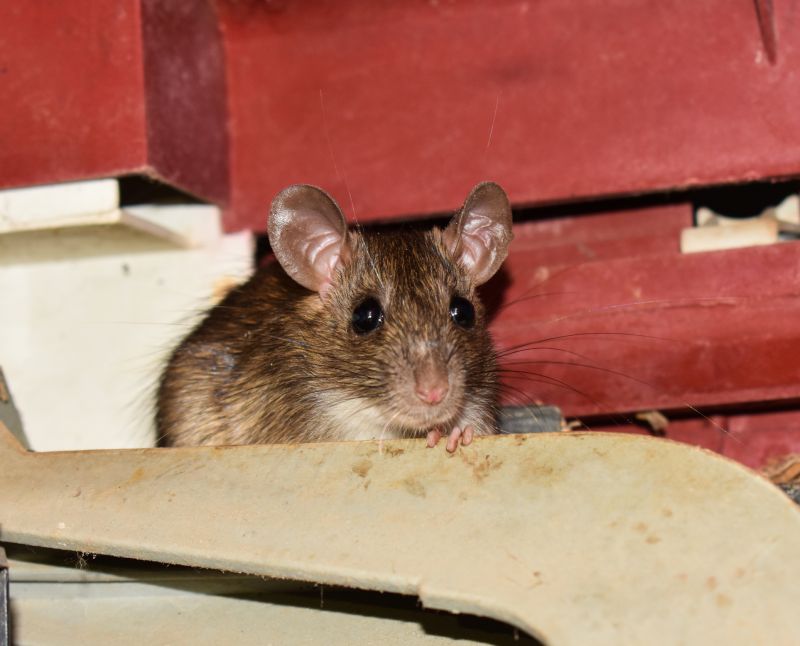
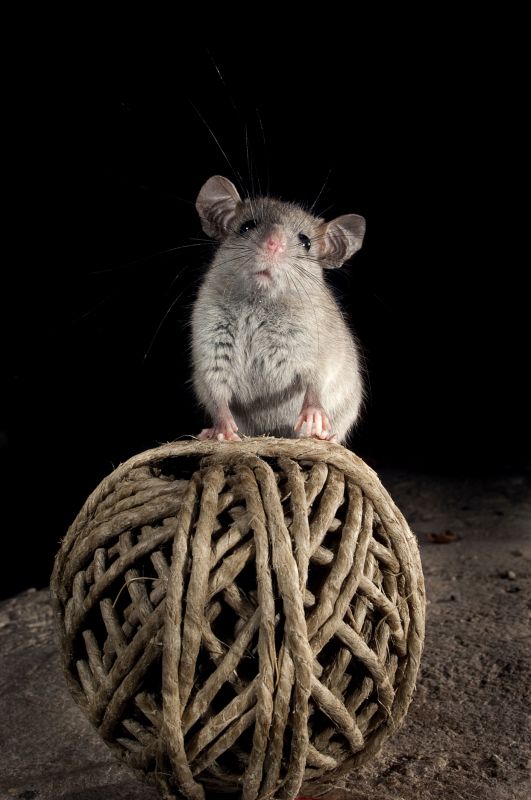
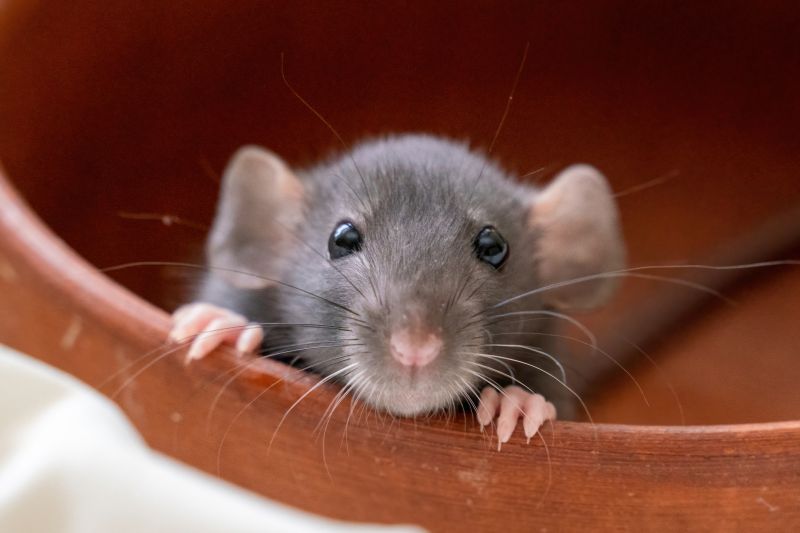
When people search for common small animal problems in commercial and industrial properties, they are usually concerned about the presence of pests such as rodents, raccoons, squirrels, or other small creatures that can invade buildings. These searches often stem from observations of unusual noises, sightings of animals in or around the property, or signs of damage like chewed wiring, insulation, or stored materials. Business owners and property managers want to understand how these animals might be affecting the safety, cleanliness, and structural integrity of their facilities. Recognizing these issues early is key to preventing larger problems, which is why many seek information about how to identify and address small animal activity effectively.
The problems associated with small animals in commercial and industrial settings often relate to damage, contamination, and health risks. For example, rodents can chew through electrical wiring, creating fire hazards, while raccoons or squirrels might nest in attics or wall cavities, leading to blocked vents or compromised insulation. In some cases, animals can introduce parasites or transmit diseases, posing health concerns for employees or visitors. Property owners may also need to develop plans for exclusion-preventing animals from re-entering-and removal strategies that are humane and effective. These issues highlight the importance of professional assistance, as handling small animals in complex structures requires specialized knowledge and equipment.
The types of properties most commonly affected by small animal problems include warehouses, manufacturing plants, office buildings, retail stores, and even agricultural facilities. These properties often have large, accessible roof spaces, storage areas, or structural gaps that make them attractive habitats for small animals. Industrial properties with extensive piping, ventilation systems, or open storage zones can inadvertently provide ideal nesting sites. Commercial properties with food storage or processing areas may also be targeted by pests seeking food sources. Because of the complexity and scale of these environments, property owners typically look for experienced service providers who can assess the situation, implement exclusion measures, and carry out safe removal operations.
Connecting with local service providers who specialize in small animal removal can help property owners address these common problems efficiently. These professionals understand the unique challenges posed by commercial and industrial settings and can tailor their approach to each property’s specific needs. Whether it involves sealing entry points, trapping, or habitat modification, local pros bring the practical expertise necessary to resolve small animal issues effectively. For property owners, working with experienced service providers ensures that small animal problems are managed in a way that minimizes disruption, reduces risks, and helps maintain a safe and secure environment for employees and visitors alike.
Wildlife exclusion projects - these involve sealing entry points and preventing animals from accessing buildings, similar to small animal removal in commercial settings.
Pest proofing services - these projects focus on identifying and blocking access points to keep pests and small animals out of industrial properties.
Building inspection and damage assessment - assessing structural damage caused by small animals aligns with identifying entry points and damage prevention strategies.
Rodent control programs - these services often require trapping, removal, and exclusion techniques comparable to small animal removal efforts.
Habitat modification projects - modifying surroundings to make properties less attractive to animals relates to preventing small animal infestations.
Structural repair and sealing - repairing and sealing buildings to prevent animal entry connects directly with the planning involved in small animal exclusion work.
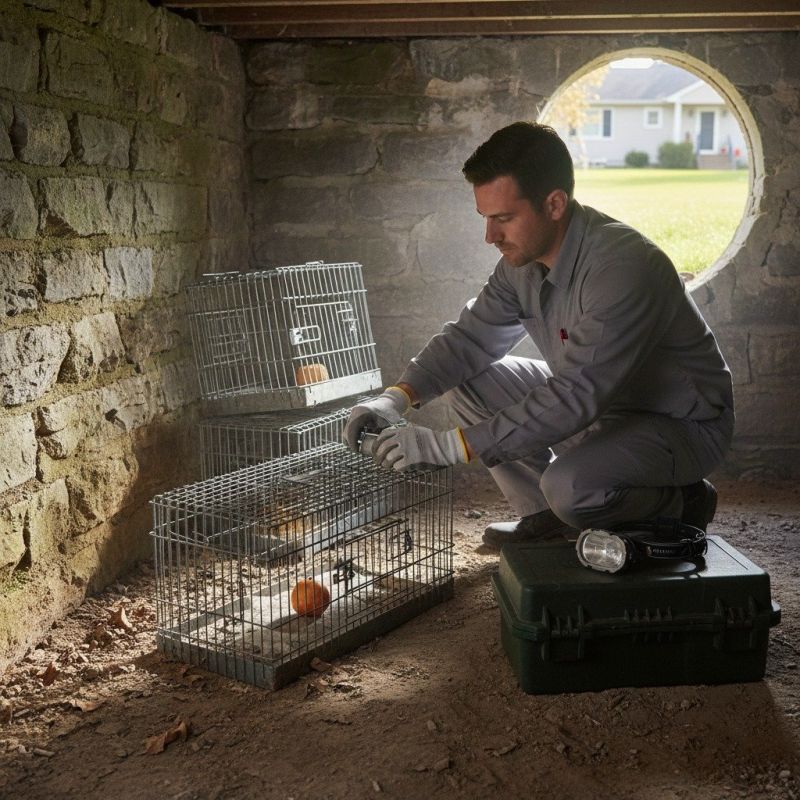
When comparing service providers for small animal removal related to common small animal problems in commercial and industrial properties, it’s important to consider their experience with similar projects. Local contractors who have handled small animal issues in properties like yours are more likely to understand the unique challenges involved, such as building types, access points, and the behavior of different species. Asking about their background with comparable jobs can help gauge their familiarity with the specific requirements of commercial or industrial settings, which often differ from residential work.
Clear written expectations are essential when evaluating potential service providers. A reputable contractor should provide a detailed scope of work, outlining the steps involved in the removal process, any necessary repairs, and follow-up measures. This helps ensure that both parties are aligned on what to expect, reducing the chances of misunderstandings or incomplete work. Well-defined expectations also serve as a basis for accountability and can make the process more transparent and manageable.
Reputable references and effective communication are key factors to consider when selecting local contractors. Requesting references from previous clients who had similar small animal problems can offer insights into the quality of work and reliability of the service provider. Additionally, a contractor’s ability to communicate clearly and promptly about their approach, timelines, and any concerns demonstrates professionalism and a commitment to customer service. Good communication helps ensure that the entire process proceeds smoothly and that any questions or issues are addressed promptly.
Property owners often search for common small animal problems in commercial and industrial properties when they are planning practical projects around their homes and businesses. Local pros provide Small Animal Removal services for everyday jobs and straightforward project options.
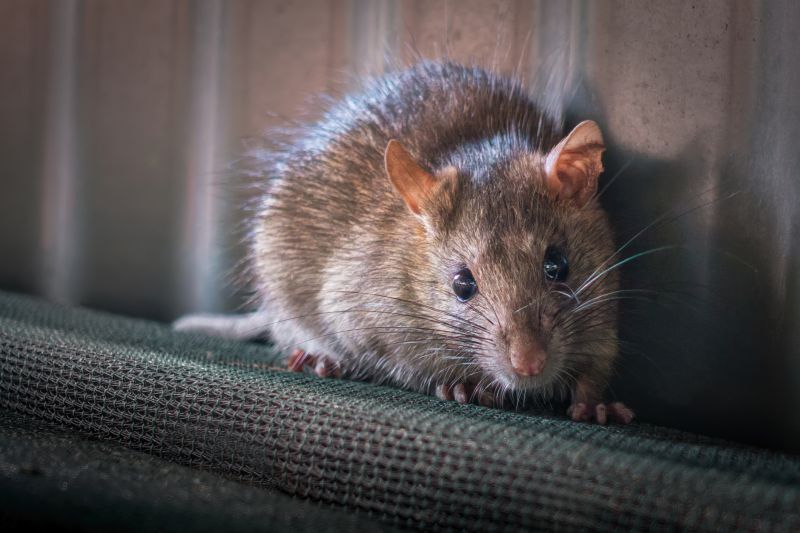
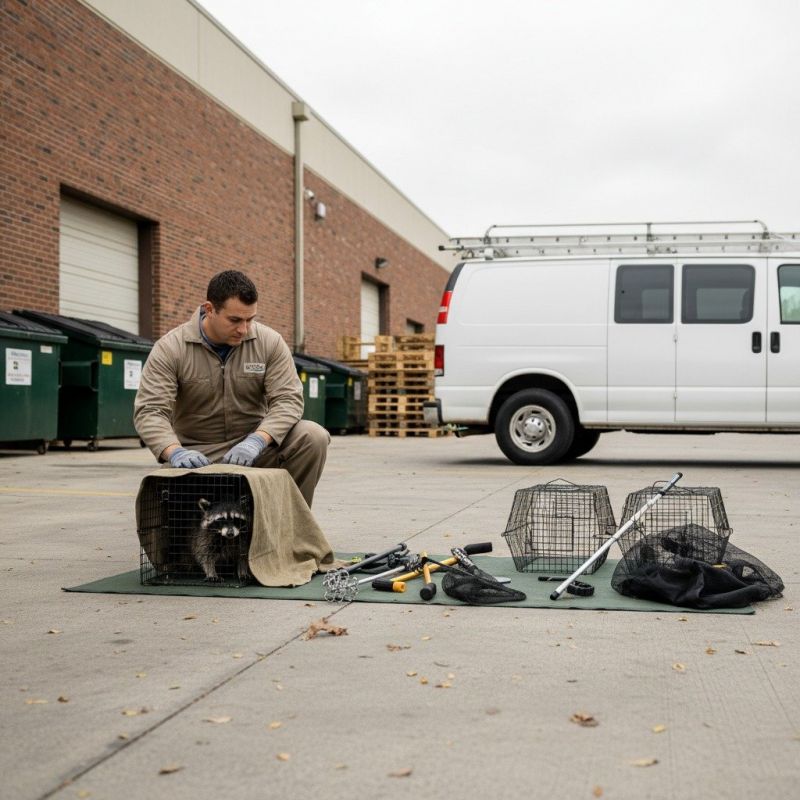
Many commercial and industrial properties face common small animal problems that can disrupt operations or compromise building integrity. Rodents like rats and mice are frequent visitors, often attracted by accessible food sources or shelter within walls and ceilings. These pests can cause damage to wiring, insulation, and stored materials, leading property owners to seek the expertise of local contractors experienced in small animal removal. Identifying signs such as droppings, gnaw marks, or unusual noises can prompt property managers to explore professional services that specialize in humane and effective removal solutions.
In addition to rodents, other small animals such as squirrels, raccoons, or birds may find their way into building structures, especially in areas with gaps or damaged entry points. These animals can create nests, block ventilation systems, or cause structural damage, prompting property owners to look for experienced service providers who can handle removal and prevent future intrusions. Connecting with local contractors who understand the common small animal problems in commercial and industrial settings can help ensure that infestations are addressed efficiently, maintaining safety and operational continuity.
What are common small animal problems in commercial and industrial properties? These issues often include rodents, birds, bats, and other small animals nesting in buildings, which can lead to property damage and health concerns.
How do small animals typically enter commercial buildings? Small animals can enter through gaps, vents, open doors, or damaged roofing, especially in areas with poor sealing or maintenance.
Why is it important to address small animal infestations promptly? Early removal helps prevent property damage, contamination, and the spread of diseases that small animals may carry.
What signs indicate a small animal problem in a commercial property? Signs include droppings, gnaw marks, unusual noises, nesting materials, or sightings of the animals themselves.
How can local service providers assist with small animal removal in commercial settings? They can identify entry points, safely remove the animals, and implement exclusion methods to prevent future problems.
Identifying entry points - property owners can inspect buildings for small animal entry points and work with local contractors to seal gaps, preventing future infestations.
Implementing exclusion barriers - installing physical barriers around vents, pipes, and roof openings with the help of local pros can keep small animals out of commercial spaces.
Scheduling regular inspections - routine checks for signs of small animal activity can help property owners detect problems early and coordinate removal services promptly.
Managing waste and clutter - maintaining clean, clutter-free environments reduces attractants and makes it easier for local service providers to address small animal issues effectively.
If you are thinking about common small animal problems in commercial and industrial properties for a property, this guide is meant to help you understand this topic, the typical project types, and how different options might fit your plans.
When you are ready, you can use the quote form on this page to share a few details about your project. From there, local pros can review the basics and follow up with options that match what you have in mind.