What to Expect During a Professional Wildlife Removal Visit
People seeking wildlife removal typically want pests safely removed and excluded, and local service providers can handle the job professionally and efficiently.
If you’ve recently noticed signs of wildlife activity around your property, understanding what to expect during a professional wildlife removal visit can help ease any concerns. Typically, these visits involve a thorough inspection of the affected areas to identify the species involved and locate entry points or nesting sites. Property owners often find reassurance in knowing that experienced service providers use humane methods to safely remove animals and prevent future issues. Whether it’s a raccoon in the attic or squirrels in the walls, knowing what the process entails can make the experience less stressful and more manageable.
Many property owners in the area turn to local contractors for wildlife removal services because of their familiarity with common local species and effective removal techniques. During a visit, professionals may set up traps, seal entry points, or recommend modifications to keep wildlife out permanently. The goal is to resolve the problem efficiently while minimizing disruption to the property. Keep reading to learn more about the typical steps involved in a wildlife removal visit and how local service providers can help ensure the job is handled safely and effectively.
- Wildlife entry point inspection - when homeowners notice signs of animal intrusion, local contractors assess potential entry points to determine the extent of the problem.
- Animal removal procedures - during a visit, service providers safely remove wildlife using humane methods tailored to each species.
- Damage assessment and repair - if structural damage is present, local pros evaluate and recommend repairs to prevent future issues.
- Exclusion and sealing services - after removal, experts seal entry points to prevent animals from returning to the property.
- Cleanup and sanitation - wildlife removal visits often include cleaning contaminated areas to restore safety and hygiene.
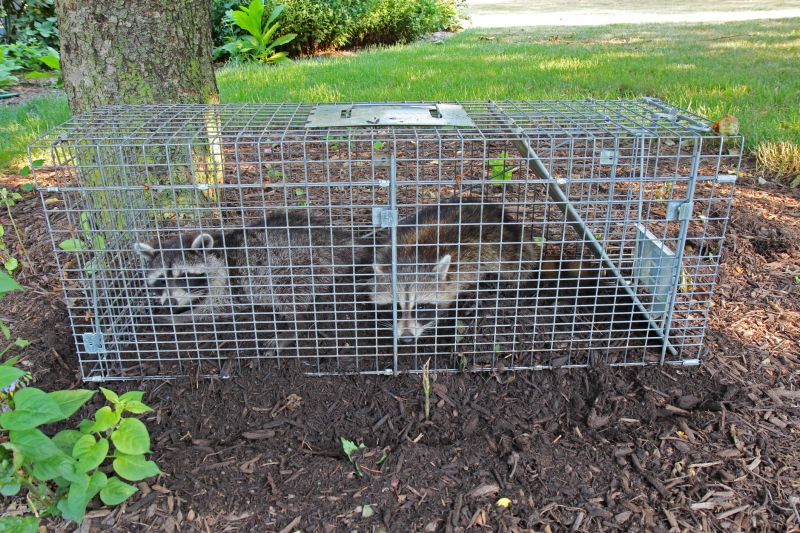
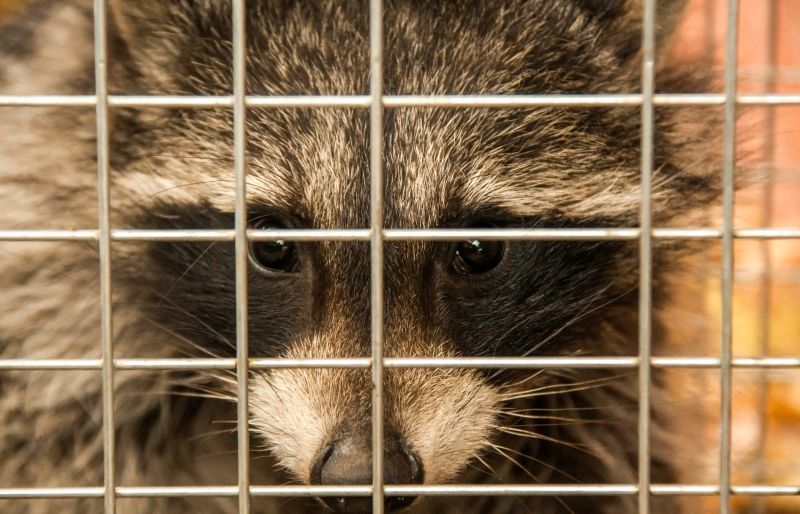
Understanding what to expect during a professional wildlife removal visit can help homeowners feel more prepared for the process. When wildlife professionals arrive, they typically begin with an inspection of the property to identify the type of animal involved, entry points, and the extent of the problem. This initial assessment helps determine the most effective removal methods and ensures that all areas where animals may be hiding or entering are noted. Homeowners should anticipate a thorough examination of both the interior and exterior of the property, including attics, crawl spaces, vents, and rooflines, to locate signs of wildlife activity and potential access points.
Wildlife removal visits often relate to problems such as animals nesting in attics, rodents in wall cavities, or raccoons rummaging through trash or venturing into yard structures. Many property owners seek professional help when animals have become a nuisance or pose a risk to the home’s integrity. The plans for removal typically involve humane trapping or exclusion techniques, followed by sealing entry points to prevent future visits. Local service providers focus on safe and effective methods tailored to the specific type of wildlife, ensuring that the removal process is thorough and minimizes disruption to the household.
The types of properties that commonly come up during wildlife removal visits include single-family homes, multi-unit residential buildings, and even commercial structures. Homes with accessible attics, poorly sealed vents, or damaged rooflines are especially vulnerable to wildlife intrusion. Properties located near wooded areas, water sources, or overgrown landscapes tend to experience higher incidences of animal activity. In many cases, the goal is to restore the property’s integrity by removing the animals and implementing exclusion strategies that prevent re-entry, helping homeowners protect their investment and maintain a safe living environment.
During a professional wildlife removal visit, homeowners can expect the process to be practical and straightforward. The service provider will explain the methods being used, such as trapping or exclusion, and may offer advice on how to reduce attractants around the property. After animals are removed, the focus shifts to sealing off entry points and cleaning up any debris or nesting materials left behind. While the specifics can vary depending on the situation, the overall aim is to resolve the wildlife issue efficiently and humanely. Knowing what to expect during these visits can help property owners better understand the role local contractors play in safeguarding their homes from unwanted animal visitors.
Exclusion Services - local contractors specializing in wildlife exclusion use similar planning and tools to seal entry points and prevent animal re-entry during wildlife removal visits.
Attic Restoration - professionals involved in attic restoration often handle cleanup and repairs after wildlife have been removed, requiring similar access and inspection skills.
Rodent Control - rodent control projects share techniques for identifying nesting sites and implementing exclusion methods, aligning with wildlife removal processes.
Bird Control Services - bird control specialists utilize similar tools and planning to remove and deter nesting birds from structures during wildlife visits.
Nest Removal and Habitat Cleanup - this type of project involves removing nests and debris, which parallels the cleanup aspects of wildlife removal visits.
Pest Proofing Services - pest proofing involves sealing potential entry points and safeguarding properties, skills that are also essential during wildlife removal visits.
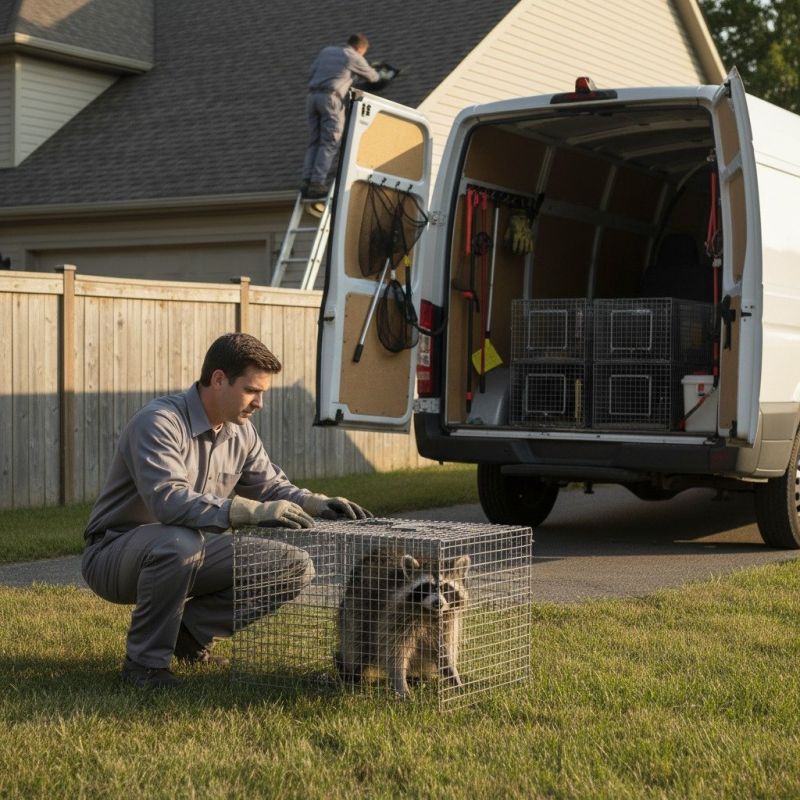
When evaluating wildlife removal service providers, it is important to consider their experience with similar projects. Homeowners should inquire about how long the local contractors have been handling wildlife issues comparable to their situation. An experienced professional will have a better understanding of common entry points, behavioral patterns of local wildlife, and effective removal techniques. This knowledge can contribute to a smoother process and help ensure that the wildlife is handled humanely and efficiently.
Clear, written expectations are essential when comparing local service providers. Pros who provide detailed estimates and outline the scope of work help homeowners understand what services will be performed, what the process entails, and what the homeowner’s responsibilities are. This transparency can prevent misunderstandings and ensure that everyone is on the same page about what to expect during a wildlife removal visit. It also demonstrates a contractor’s professionalism and commitment to clear communication.
Reputable references and good communication are key indicators of a reliable wildlife removal service. Homeowners should seek out local pros who can provide references from previous clients or showcase their track record of successful wildlife management. Additionally, service providers who communicate clearly and promptly can make the process less stressful. Good communication includes explaining procedures, answering questions thoroughly, and keeping homeowners informed about each step of the process. These qualities help ensure a positive experience during a wildlife removal visit.
Property owners often search for what to expect during a professional wildlife removal visit when they are planning practical projects around their homes and businesses. Local pros provide Wildlife Removal services for everyday jobs and straightforward project options.
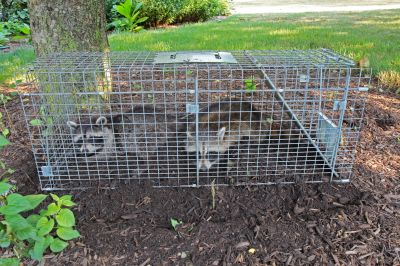
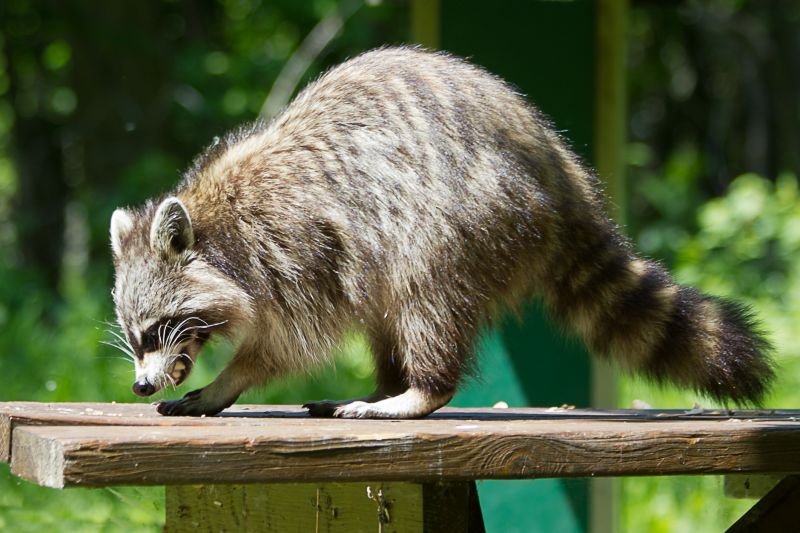
During a professional wildlife removal visit, property owners can expect a thorough assessment of the affected areas. Wildlife service providers typically inspect attics, walls, crawl spaces, and other potential entry points to identify signs of animal activity. They often use specialized tools and techniques to locate nests, droppings, or damage caused by wildlife such as raccoons, squirrels, or bats. The goal is to understand the extent of the issue and determine the most effective approach to safely and humanely remove the animals.
Once the assessment is complete, local contractors usually implement targeted removal strategies. This may involve setting traps, sealing entry points, or installing exclusion devices to prevent future intrusions. During the visit, property owners might observe the wildlife service providers working carefully to minimize disruption and ensure animals are removed in a humane manner. After the removal, some service providers also offer guidance on how to prevent animals from returning, helping property owners protect their homes over the long term.
What happens during a professional wildlife removal visit? During a wildlife removal visit, local contractors typically inspect the property to identify the species involved and determine entry points. They then develop a plan to safely and humanely remove the animals and seal any access points to prevent future entry.
Will the wildlife removal technician do anything inside my home? Yes, the technician may enter your home to locate animal nests, remove trapped animals, and perform repairs or sealing to block entry points, ensuring that the animals cannot return.
How do professionals handle the animals during a removal visit? Wildlife removal experts usually use humane trapping methods or exclusion techniques to safely capture or deter animals without harm, following standard practices to ensure animal welfare.
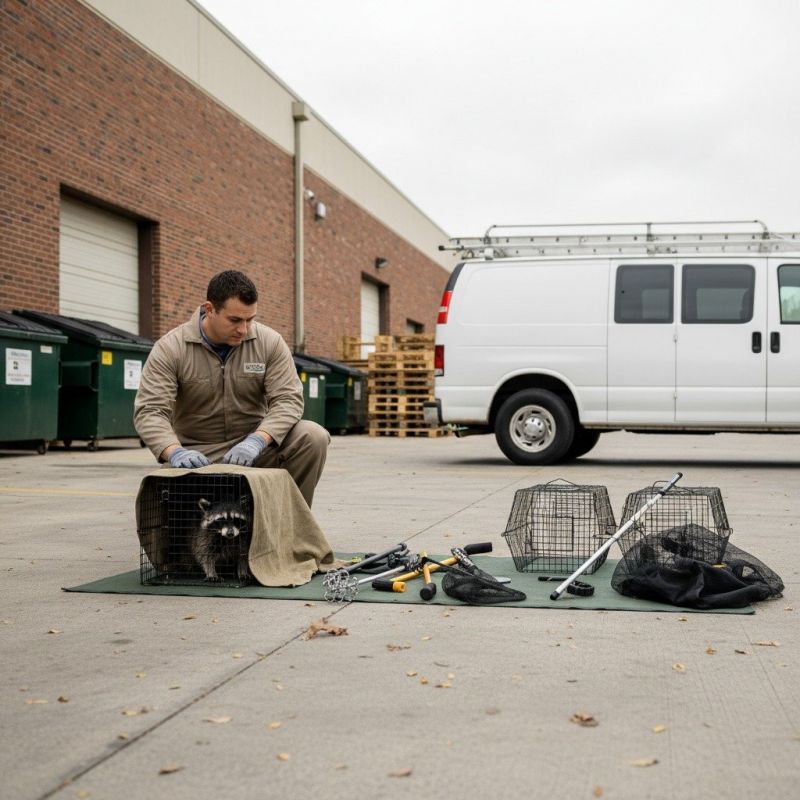
What kind of equipment or tools do local service providers use? They typically use specialized traps, sealing materials, and protective gear to safely handle animals and secure your property during and after the removal process.
What should I expect after the wildlife removal visit? After the visit, local contractors often recommend ongoing prevention measures, such as sealing entry points and removing attractants, to ensure animals do not return to the property.
Inspection process - property owners can expect the wildlife removal professional to carefully assess the property for signs of animal activity and entry points, helping identify areas needing attention.
Exclusion methods - local contractors will typically recommend or implement humane exclusion techniques to prevent animals from re-entering the property.
Safety precautions - professionals often take steps to ensure both their safety and that of the property during removal, which can include using specialized equipment or protective gear.
Cleanup and repairs - after removal, experts may advise on or assist with sealing entry points and restoring damaged areas to prevent future wildlife issues.
If you are thinking about what to expect during a professional wildlife removal visit for a property, this guide is meant to help you understand this topic, the typical project types, and how different options might fit your plans.
When you are ready, you can use the quote form on this page to share a few details about your project. From there, local pros can review the basics and follow up with options that match what you have in mind.