Seasonal Wildlife Issues Homeowners Should Watch For
Homeowners seeking seasonal wildlife removal can rely on local service providers to safely and effectively address issues like animal intrusion during different times of year.
Homeowners exploring seasonal wildlife issues should be aware of the common challenges that arise throughout the year. As seasons change, different animals may seek shelter or food sources around residential properties, potentially leading to unwanted intrusions or damage. Recognizing the signs of wildlife activity and understanding the risks involved can help prevent costly repairs and protect the safety of everyone in the household. Local contractors experienced in seasonal wildlife removal are equipped to assist with these issues, offering practical solutions tailored to the unique needs of properties in the area.
Staying informed about seasonal wildlife issues is a proactive step for property owners aiming to maintain a safe and secure home environment. Whether it’s birds nesting in unexpected spots or raccoons rummaging through trash, these issues can escalate if not addressed promptly. Connecting with local service providers who specialize in wildlife removal can provide peace of mind and effective management of these seasonal challenges. Keep reading to learn more about what to watch for and how trusted local pros can help keep your home wildlife-free year-round.
- Bird nesting removal - homeowners may need this service when bird nests appear on rooftops or in vents, with local contractors safely removing nests and preventing future buildup.
- Squirrel entry exclusion - when squirrels are found in attics or crawl spaces, local pros can identify entry points and install barriers to keep them out during seasonal activity spikes.
- Bat guano cleanup - in cases where bats roost in eaves or soffits, service providers can handle removal and sealing to reduce health risks and prevent recurring issues.
- Raccoon damage repair - homeowners noticing raccoon damage around chimneys or roofs can rely on local experts to repair and secure vulnerable entry points.
- Skunk removal services - when skunks dig under decks or invade yards, local contractors can safely remove animals and implement deterrents to discourage future visits.
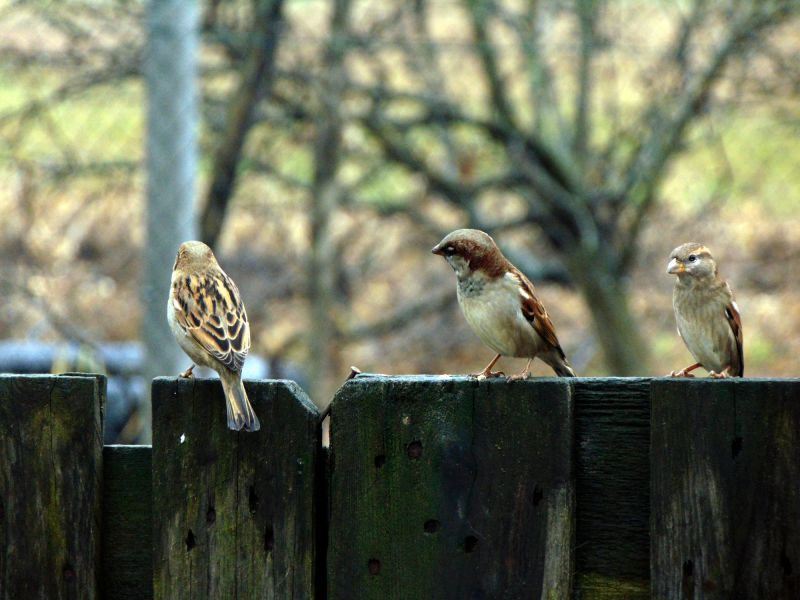
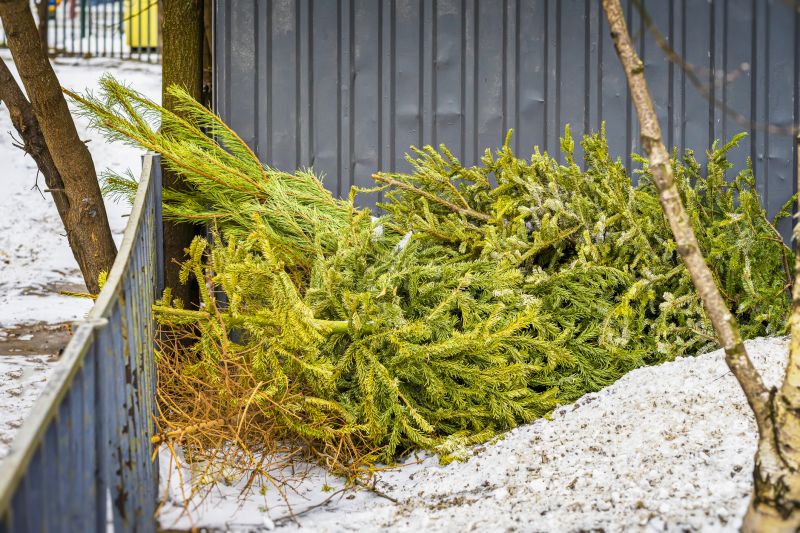
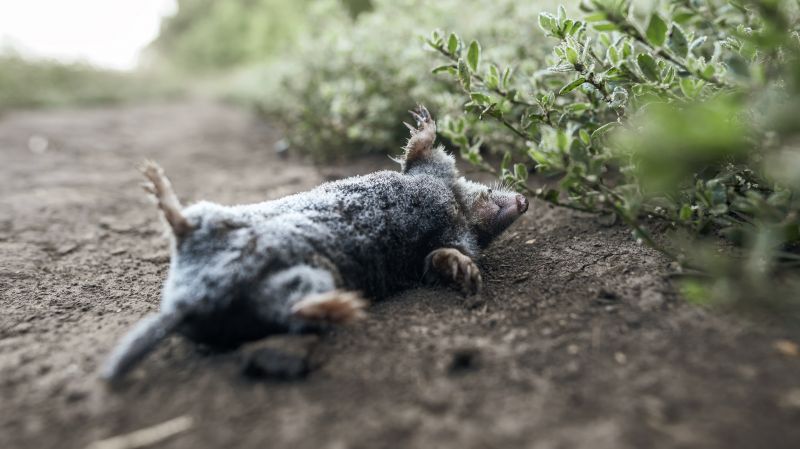
Seasonal wildlife issues homeowners should watch for often relate to the natural patterns of animal behavior that change with the seasons. During spring and early summer, many animals such as birds, squirrels, and raccoons become more active as they search for nesting sites and food sources. Homeowners may notice increased bird activity around vents or eaves, or find evidence of animals building nests in attic spaces or beneath decks. In fall and winter, certain wildlife like rodents and bats seek shelter inside homes to escape colder temperatures, which can lead to infestations if entry points are available. Recognizing these seasonal patterns helps homeowners identify when wildlife problems are most likely to arise and plan preventative measures accordingly.
The problems connected to seasonal wildlife issues often involve property damage, health risks, and nuisance disturbances. Animals seeking shelter can chew through wiring, insulation, or structural materials, creating hazards and costly repairs. Bird droppings and nesting debris can also cause staining, corrosion, or blockages in gutters and ventilation systems. Additionally, some wildlife species carry parasites or diseases that pose health risks to residents and pets. Homeowners may also experience noise disturbances or the presence of animals in living spaces, which can be unsettling. Planning for seasonal wildlife issues involves understanding these potential problems and considering proactive strategies, such as sealing entry points or installing deterrents, with the help of local contractors experienced in wildlife removal.
Certain types of properties are more susceptible to seasonal wildlife issues based on their design, location, and surroundings. Homes with abundant tree cover, shrubbery, or nearby water sources tend to attract more wildlife activity, especially during nesting or foraging seasons. Attics, chimneys, roof vents, and gaps around windows or doors are common entry points for animals seeking shelter. Rural properties or homes near wooded areas may face increased wildlife presence compared to urban settings, but even suburban homes can be vulnerable if they have accessible openings. Identifying these property features helps homeowners understand where wildlife issues are likely to occur and how to prioritize repairs or modifications. Local service providers can assist in inspecting properties and implementing effective exclusion measures tailored to each home's specific risks.
Understanding how seasonal wildlife issues connect to real projects can help homeowners plan effective solutions. For example, during peak nesting seasons, local pros may focus on installing exclusion devices around potential entry points or removing nests safely. In colder months, sealing gaps and installing barriers can prevent rodents and bats from entering indoor spaces. Regular inspections and maintenance are essential to keep properties secure against seasonal wildlife pressures. Homeowners who recognize the signs of wildlife activity-such as droppings, chewed materials, or unusual noises-can work with local contractors to develop a tailored plan that addresses the specific issues posed by the current season. This proactive approach can minimize damage, reduce health risks, and ensure that properties remain protected throughout the year.
Bird Control Projects - These projects involve installing bird deterrents and exclusion devices, skills that are useful for addressing seasonal wildlife issues like nesting and roosting birds around homes.
Attic Insulation and Ventilation Projects - Proper insulation and ventilation work can prevent wildlife from nesting in attics, making these projects relevant for homeowners facing seasonal wildlife concerns.
Gutter and Roof Repair Services - Repairing damaged gutters and roofs helps prevent access points for wildlife seeking shelter during seasonal changes, connecting to wildlife exclusion efforts.
Exclusion and Barrier Installations - Installing barriers such as chimney caps and vent guards is a common solution for preventing wildlife from entering homes during seasonal migration periods.
Tree and Shrub Trimming Services - Trimming overgrown branches reduces access to roofs and attics, a key step in managing seasonal wildlife issues around the property.
Wildlife Damage Repair Projects - These involve fixing damage caused by animals, which often occurs during seasonal wildlife activity, and require similar planning and tools as wildlife removal services.
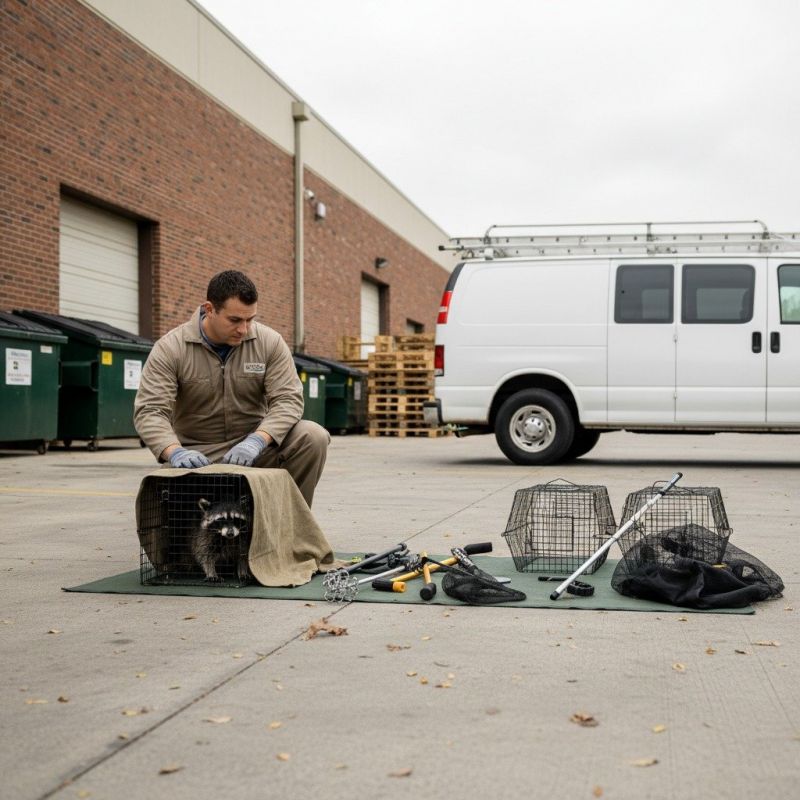
When comparing service providers for seasonal wildlife removal, it is important to consider their experience with similar projects. Homeowners should inquire about how long a contractor has been handling wildlife issues specific to their region and the types of animals they have successfully managed. An experienced local contractor will have a better understanding of seasonal wildlife behaviors and the most effective removal strategies, which can contribute to a more efficient and thorough resolution of issues such as raccoons in attics or bird nests in vents.
Clear written expectations are essential to ensure that homeowners and service providers are aligned on the scope of work. When evaluating local pros, it’s helpful to review detailed estimates or service descriptions that outline what is included in the removal process, any necessary repairs, and follow-up measures. Transparent communication about what the job entails helps prevent misunderstandings and ensures that homeowners know what to expect at each stage of the project.
Reputable references and good communication are key factors when selecting a wildlife removal contractor. Homeowners should seek out service providers with a history of positive feedback from previous clients, which can often be verified through references or reviews. Additionally, a provider who communicates clearly and promptly can make the process smoother, answering questions and providing updates throughout the project. Reliable communication helps build trust and ensures that homeowners are well-informed about the work being performed to address seasonal wildlife issues.
Property owners often search for seasonal wildlife issues homeowners should watch for when they are planning practical projects around their homes and businesses. Local pros provide Seasonal Wildlife Removal services for everyday jobs and straightforward project options.
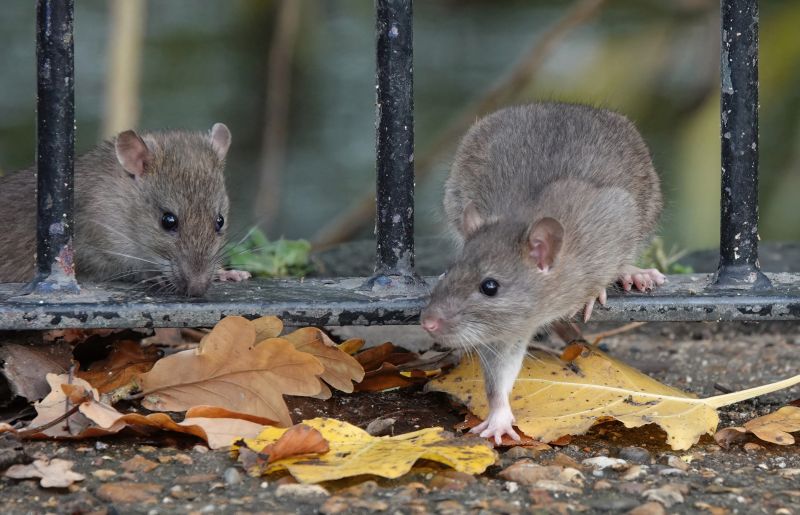
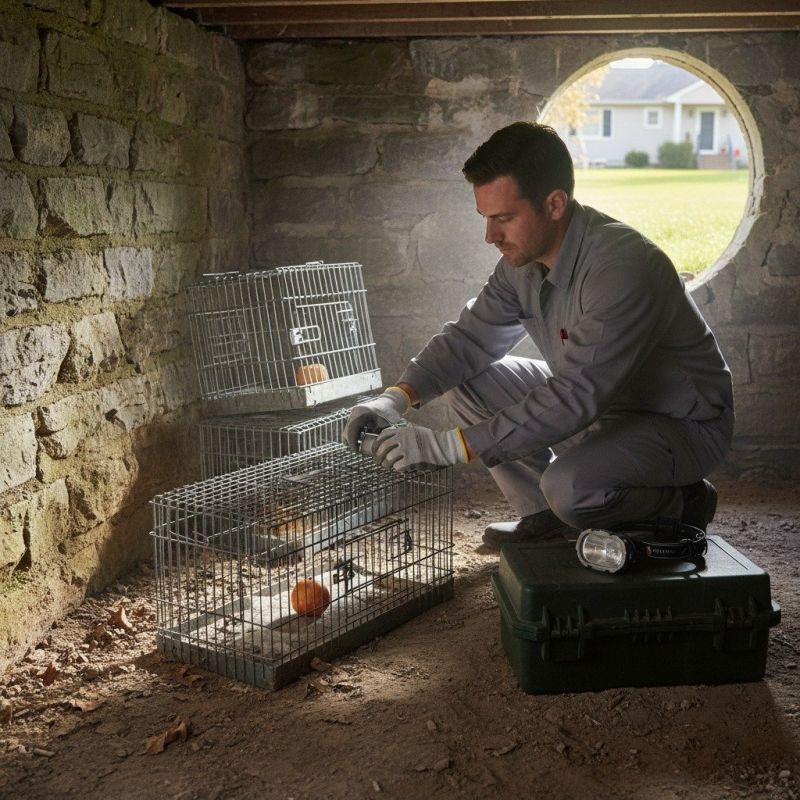
During certain times of the year, homeowners may notice increased activity of wildlife around their properties, signaling seasonal wildlife issues to watch for. Common signs include animals appearing near vents, chimneys, or attic spaces, which can indicate nesting or entry points that need attention. Fallen branches, signs of chewed wiring, or unusual noises might also suggest that critters such as squirrels, raccoons, or birds are seeking shelter or food sources on the property. Addressing these issues promptly can help prevent damage to the home and avoid more serious infestations, making it worthwhile to consider the expertise of local contractors experienced in wildlife removal.
As seasons change, so do the behaviors and habitats of local wildlife, leading to potential property concerns for homeowners. For example, certain animals may seek warmth by entering attics or wall cavities, while others might be attracted to accessible food sources or nesting sites. Recognizing these seasonal patterns can help property owners determine when wildlife removal services might be needed. Local service providers specializing in wildlife control can assess the situation, identify entry points, and safely remove animals, helping to protect the home and prevent future issues during peak activity periods.
What are common signs of wildlife entering homes during seasonal changes? Homeowners should look for visible entry points, droppings, scratching sounds, or damaged insulation, which can indicate wildlife presence. Local contractors can inspect and identify these signs to prevent further issues.
Which types of wildlife are most active during seasonal shifts? Animals such as squirrels, raccoons, bats, and birds are typically more active and may seek shelter in homes during seasonal transitions. Professionals can safely remove these animals and prevent future access.
How can homeowners prevent wildlife from nesting in their attics or walls? Sealing potential entry points and removing attractants like food or debris reduces the likelihood of wildlife nesting. Local service providers can perform thorough inspections and secure your property.
What seasonal wildlife issues should homeowners be aware of in the fall? Fall often sees increased activity of squirrels and raccoons preparing for winter, which may involve nesting in attics or chimneys. Experts can help with timely removal and exclusion measures.
Why is it important to address wildlife issues promptly during seasonal changes? Prompt action minimizes damage to property, prevents health risks, and discourages animals from returning. Local contractors can provide effective wildlife removal services tailored to seasonal needs.
Identify seasonal entry points - homeowners can inspect their property for gaps and holes that wildlife may use to access the home, and seek local contractors for sealing solutions.
Monitor nesting and burrowing sites - observing areas like attics, garages, or yard structures helps detect early signs of wildlife activity, with professionals available to safely remove animals.
Secure food sources and trash - keeping outdoor areas free of accessible food and waste reduces attraction, and local services can assist in wildlife-proofing these areas.
Schedule regular property inspections - routine checks during peak wildlife activity seasons allow homeowners to address issues promptly with the help of experienced wildlife removal specialists.
If you are thinking about seasonal wildlife issues homeowners should watch for for a property, this guide is meant to help you understand this topic, the typical project types, and how different options might fit your plans.
When you are ready, you can use the quote form on this page to share a few details about your project. From there, local pros can review the basics and follow up with options that match what you have in mind.