How Wildlife Can Damage Roofs, Attics, and Insulation
People searching for wildlife removal aim to prevent damage to roofs, attics, and insulation, and local service providers can safely handle wildlife removal and property repairs.
If you’ve recently noticed signs of wildlife activity around your property, understanding how wildlife can damage roofs, attics, and insulation is essential. Animals such as raccoons, squirrels, birds, and bats often seek shelter in these areas, which can lead to costly repairs and compromised property integrity. Property owners in the area may find it particularly practical to explore this topic if they’ve observed increased noise, droppings, or damage to roofing materials. Recognizing the signs early can help prevent more extensive damage and protect the structural safety of the home.
For those concerned about wildlife-related damage, connecting with experienced local contractors who specialize in wildlife removal can be a valuable step. These service providers can assess the situation, safely remove animals, and help ensure that your roof, attic, and insulation remain protected. Learning more about how wildlife can impact your property can empower homeowners to take proactive measures, making it easier to find the right local experts to handle the job effectively.
- Wildlife intrusion - when animals like raccoons or squirrels enter roofs or attics, local contractors can remove them and seal entry points to prevent future damage.
- Roof damage caused by wildlife - animals nesting or climbing on roofs can cause structural harm; local service providers assess and repair such damage.
- Attic contamination - wildlife can leave droppings and debris in attics, prompting local pros to clean and sanitize affected areas.
- Insulation destruction - rodents and other wildlife may burrow into insulation, reducing its effectiveness; local experts can replace and restore insulation.
- Wildlife-related roof leaks - animals damaging roofing materials may lead to leaks, with local contractors providing repairs to protect the home.
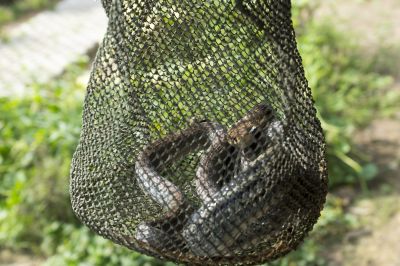
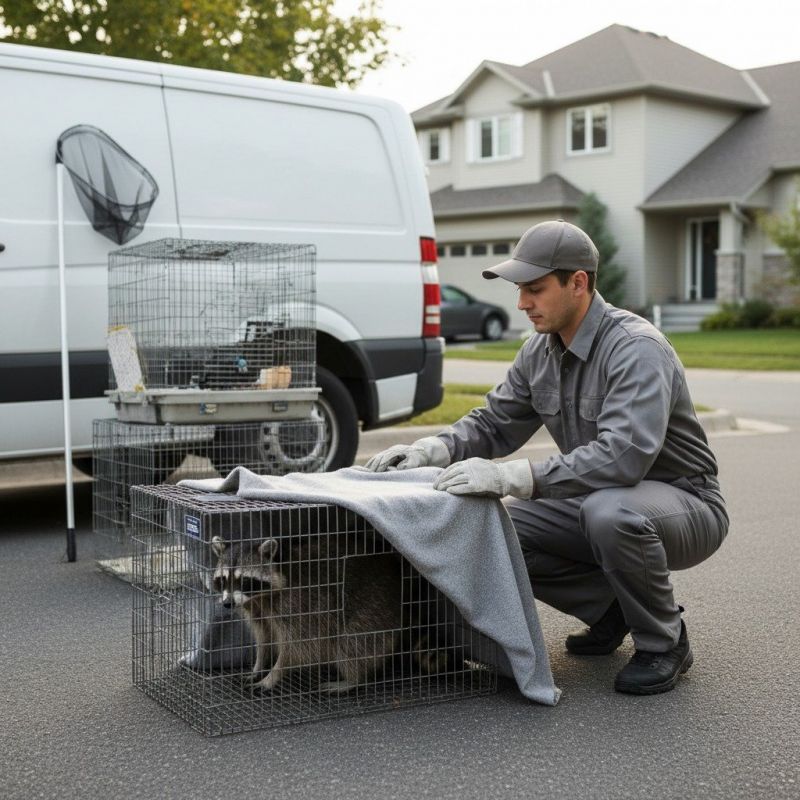
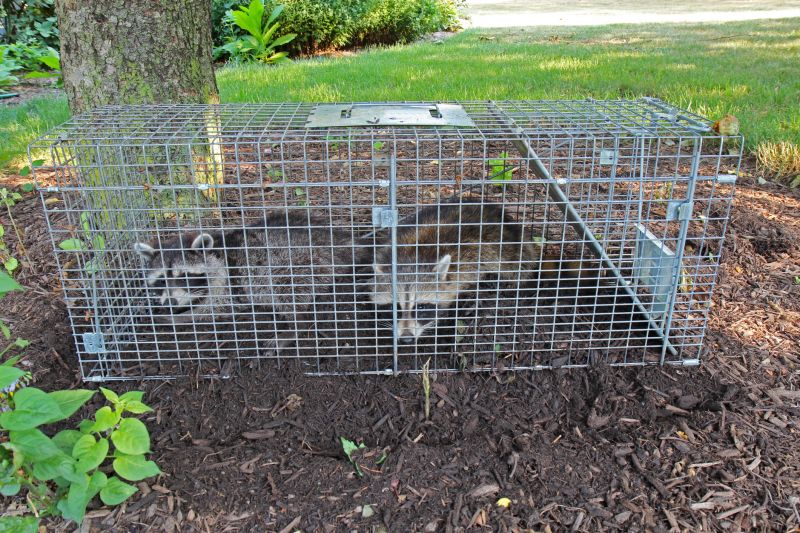
When homeowners search for information about how wildlife can damage roofs, attics, and insulation, they are often concerned about the various ways animals and pests can cause structural problems and create costly repairs. This topic typically relates to issues such as small mammals, birds, or insects gaining access to the roof space, leading to physical damage or contamination. People may also be exploring how to prevent wildlife from nesting in their homes or how to identify signs of an infestation. Understanding the connection between wildlife activity and potential damage helps homeowners recognize early warning signs and consider professional services that specialize in wildlife removal and property protection.
The problems associated with wildlife damage often involve animals like raccoons, squirrels, bats, birds, or rodents that find ways into attics and roof structures. These creatures can create entry points by gnawing on shingles, vents, or fascia, or by squeezing through small openings. Once inside, they may cause damage by tearing insulation, nesting in insulation materials, or chewing on wiring, which can increase the risk of electrical fires. Additionally, wildlife can leave behind droppings and debris, leading to unpleasant odors and health hazards. Many property owners plan to address these issues by sealing entry points, removing animals, and repairing affected areas, which is where local service providers specializing in wildlife removal and repair can be a valuable resource.
Certain types of properties are more prone to wildlife-related damage, especially those with older or poorly maintained roofs, attics, or ventilation systems. Homes in wooded or rural areas often face a higher likelihood of wildlife encounters, as their surroundings provide natural habitats for many animals. Attics that have gaps or damaged roofing materials are particularly vulnerable, giving animals easy access to nesting spots. Commercial buildings with open or unprotected roof spaces can also experience similar issues. Property owners who notice signs of wildlife activity-such as scratching sounds, droppings, or damaged insulation-may seek out local contractors experienced in wildlife exclusion and property repairs to prevent further damage.
Addressing how wildlife can damage roofs, attics, and insulation involves understanding the importance of early detection and professional intervention. Local wildlife removal service providers play a key role in safely removing animals and preventing future incursions by sealing entry points and repairing compromised structures. Homeowners can benefit from consulting with these experts to develop a plan that not only eliminates current wildlife problems but also helps protect the property in the long term. By working with experienced service providers, property owners can ensure that their homes are safeguarded against wildlife-related damage, reducing the risk of costly repairs and health hazards associated with animal infestations.
Pest Inspection Services - These projects involve identifying and assessing pest activity, which relates to how wildlife can damage roofs, attics, and insulation by creating entry points and nesting sites.
Attic Restoration Projects - Restoring and repairing damaged attics often requires skills similar to wildlife removal, including sealing entry points and replacing insulation affected by animals.
Roof Repair and Replacement - Addressing damage caused by wildlife intrusion involves roofing skills, making it comparable to projects focused on fixing or replacing compromised roof structures.
Insulation Installation and Replacement - Similar in scope, these projects involve handling insulation materials and ensuring they are properly installed or replaced after wildlife damage.
Wildlife Damage Assessment - These evaluations require understanding how animals affect structures, aligning with the expertise needed for wildlife-related damage to roofs and attics.
Structural Damage Repair - Repairing structural issues caused by wildlife activity involves planning and tools similar to those used in wildlife exclusion and damage prevention projects.
When comparing wildlife removal service providers, it is important to consider their experience with similar projects involving how wildlife can damage roofs, attics, and insulation. An experienced contractor will have a better understanding of the common entry points and the types of wildlife that typically cause damage in these areas. This knowledge can lead to more effective removal strategies and help ensure that the problem is addressed thoroughly, reducing the likelihood of recurring issues. Homeowners should inquire about the contractor’s background with wildlife-related damage and their familiarity with the specific challenges posed by local wildlife species.
Clear written expectations are essential when evaluating potential service providers. A reputable contractor should be able to outline what the removal process entails, including inspection, wildlife exclusion, and repairs if necessary. This clarity helps homeowners understand what services will be provided and sets realistic expectations for the scope of work. Well-documented plans can also serve as a reference throughout the project, ensuring that both parties are aligned on the objectives and deliverables. Clear communication about the process demonstrates professionalism and can contribute to a smoother experience.
Reputable references and good communication are key factors in selecting a wildlife removal service provider. Homeowners should seek out providers with positive references from previous clients, especially those who have had similar wildlife-related damage issues. These references can offer insights into the contractor’s reliability, quality of work, and ability to handle complex situations. Additionally, responsive and transparent communication throughout the process indicates a contractor’s commitment to customer service. Service providers who listen carefully and answer questions thoroughly can help homeowners feel confident that their concerns about wildlife damage will be addressed effectively.
Property owners often search for how wildlife can damage roofs, attics, and insulation when they are planning practical projects around their homes and businesses. Local pros provide Wildlife Removal services for everyday jobs and straightforward project options.
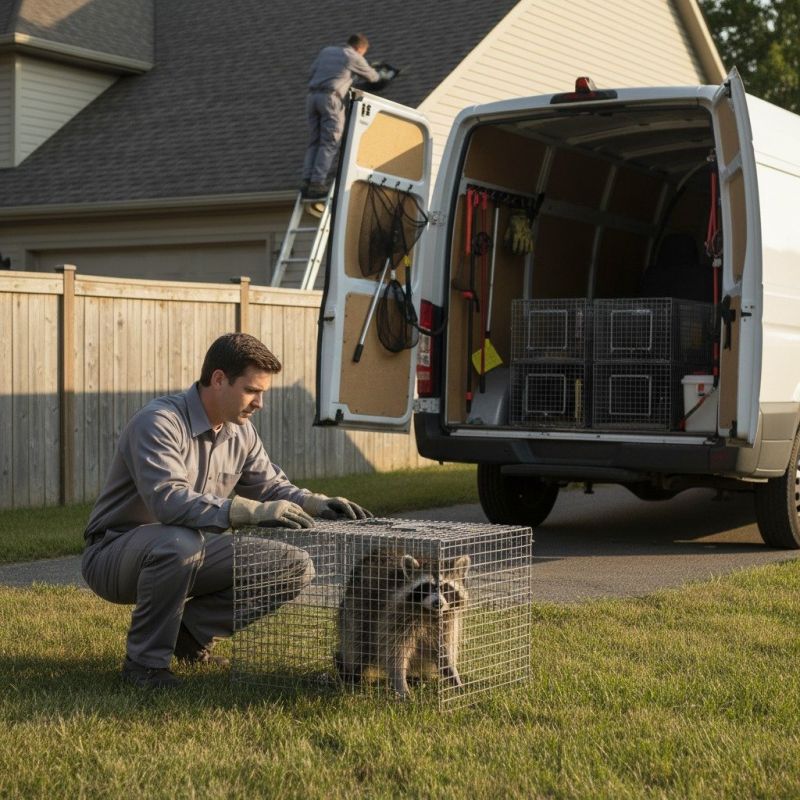
Wildlife can pose a significant threat to rooftops, attics, and insulation, especially when animals such as raccoons, squirrels, or bats find their way into residential structures. These creatures often seek shelter in warm, hidden spaces, and once inside, they can cause extensive damage by gnawing on wiring, tearing apart insulation, and creating entry points that allow more animals to enter. Property owners who notice signs of animal activity, such as strange noises or droppings, might look into how wildlife can damage their homes and consider professional wildlife removal services to address the problem effectively.
In addition to structural damage, wildlife in attics and on roofs can lead to health concerns and further property deterioration. Animals may leave behind waste that contaminates insulation and promotes mold growth, which can impact indoor air quality. Property owners noticing damage or suspecting animal intrusion often turn to local contractors who specialize in wildlife removal, helping to safely and efficiently eliminate the animals and prevent future issues. Connecting with experienced service providers can ensure that any wildlife-related damage is handled properly, protecting the home’s integrity and comfort.
How can wildlife damage roofs and attics? Wildlife such as raccoons, squirrels, and birds can cause damage by tearing through roofing materials, creating entry points, and nesting inside attics, which may lead to structural issues and further deterioration.
What types of wildlife are most likely to damage insulation? Rodents like mice and rats often burrow into insulation to build nests, which can reduce its effectiveness and lead to contamination or mold growth.
How do wildlife cause damage to attic spaces? Wildlife can create holes and gnaw through wiring, insulation, and structural components, leading to potential fire hazards and compromised building integrity.
Can wildlife damage be prevented before it happens? Yes, local contractors can help identify vulnerable areas and install barriers or exclusion devices to prevent wildlife from entering roofs and attics.
What services do local wildlife removal professionals offer for damage repair? They can remove animals, seal entry points, and assist with restoring damaged insulation and roofing components to protect the home from future wildlife-related issues.
Identify entry points - inspecting roofs and attics for gaps or holes can help property owners prepare for wildlife removal services to seal openings.
Assess damage to insulation - checking for chewed or displaced insulation allows property owners to plan for repairs with local contractors.
Remove nesting materials - clearing out debris and nests created by wildlife can prevent further damage and make the area less attractive to animals.
Schedule preventative inspections - regular evaluations can help property owners detect early signs of wildlife intrusion and coordinate with service providers for timely interventions.
If you are thinking about how wildlife can damage roofs, attics, and insulation for a property, this guide is meant to help you understand this topic, the typical project types, and how different options might fit your plans.
When you are ready, you can use the quote form on this page to share a few details about your project. From there, local pros can review the basics and follow up with options that match what you have in mind.